
How Land Clearing Prepares Your Land for New Construction
March 23, 2026
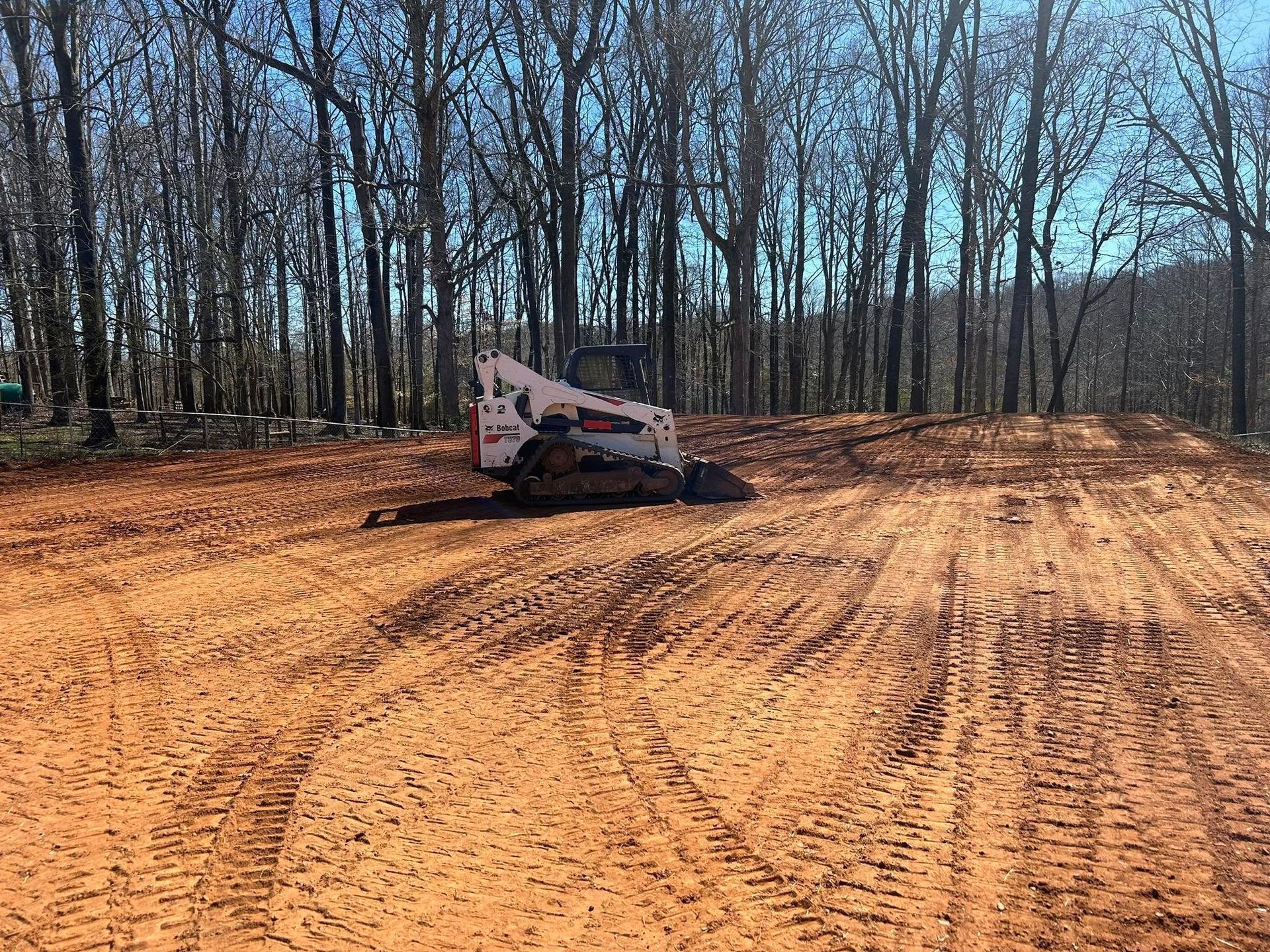
Preparing a site for new construction is a complex process that requires careful planning and execution. One of the most critical steps in this journey is land clearing. Far beyond simply removing trees and brush, land clearing sets the stage for a safe, efficient, and successful construction project. Whether you are developing a residential neighborhood, a commercial property, or an industrial site, understanding the nuances of land clearing is essential for minimizing risks and maximizing the usability of your property.
Effective land clearing ensures that the land is structurally sound, environmentally compliant, and ready for grading, excavation, and foundation work. Without proper clearing, construction teams can encounter unexpected obstacles such as hidden stumps, uneven terrain, or debris that can delay timelines and increase costs. Moreover, land clearing plays a role in long-term property management, helping prevent soil erosion, pest infestation, and drainage issues. In this blog, we will explore the critical steps of land clearing, its benefits, challenges, and best practices to ensure your site is fully prepared for new construction, offering actionable insights for property owners, developers, and contractors alike.
1. Understanding Land Clearing: More Than Just Removing Trees
What Land Clearing Entails
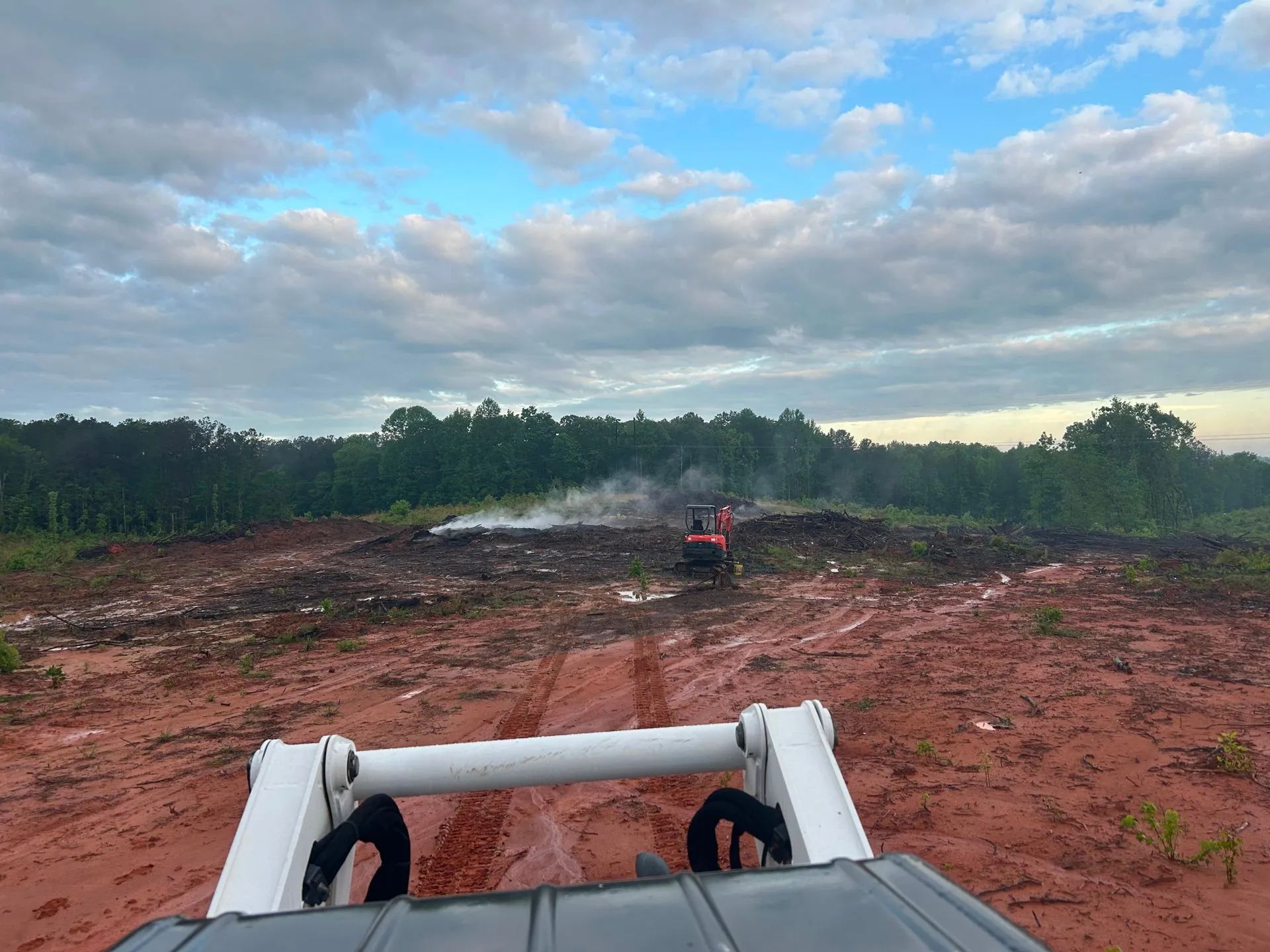
Land clearing is the systematic removal of vegetation, trees, stumps, rocks, and other obstacles from a plot of land to make it fully suitable for construction purposes. This process often involves a combination of mechanical equipment, such as bulldozers, excavators, and mulchers, along with manual labor for precise and careful work. While it may seem straightforward, land clearing is a strategic operation that carefully considers soil stability, environmental regulations, and future construction requirements for long-term success.
Types of Land Clearing
- Mechanical Clearing: Using heavy machinery to efficiently remove large trees, boulders, and dense brush from the site.
- Manual Clearing: Employing skilled workers to trim small vegetation, remove stumps, or carefully handle delicate areas near utilities.
- Selective Clearing: Removing specific trees or plants while intentionally preserving certain natural features for aesthetic or environmental reasons.
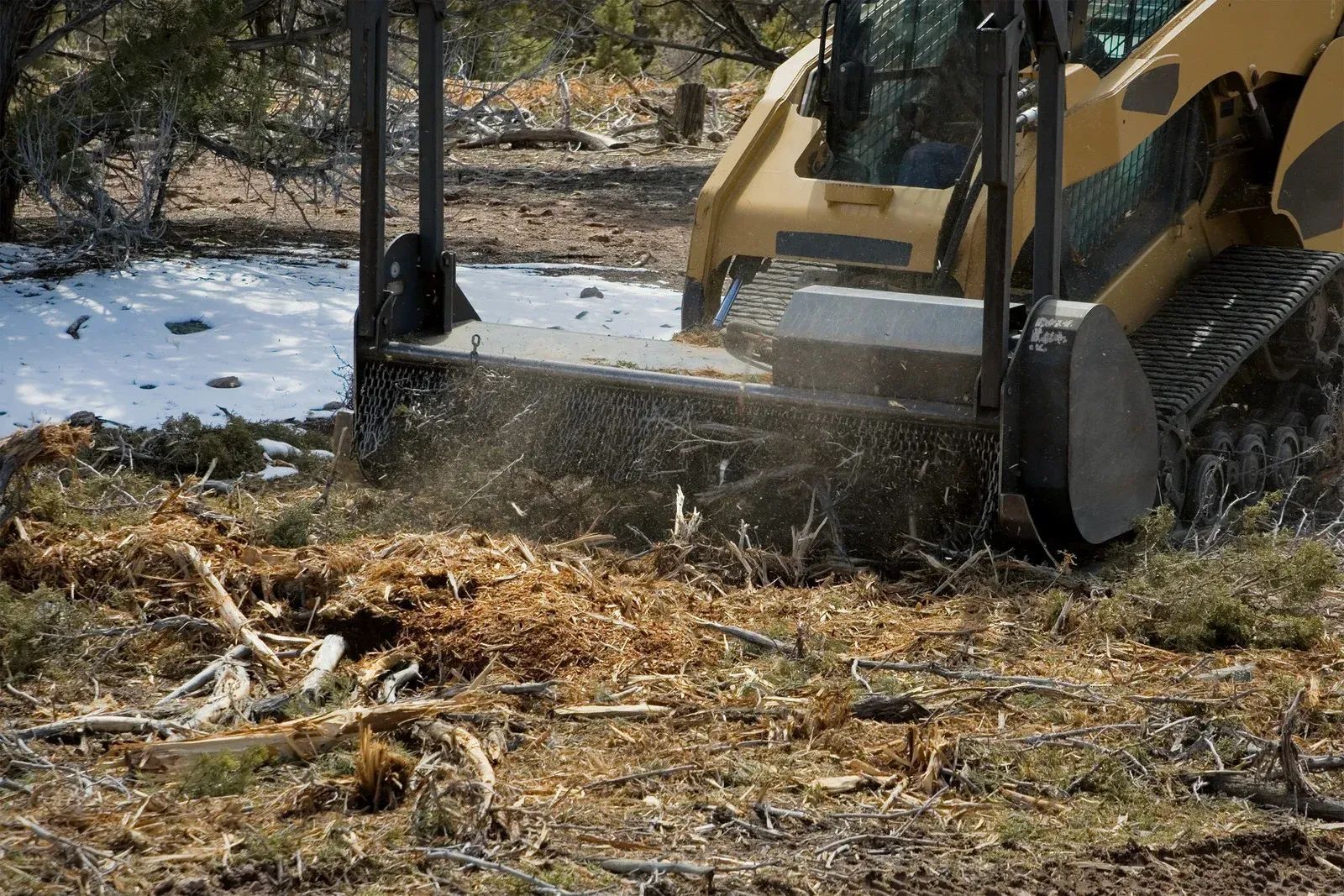
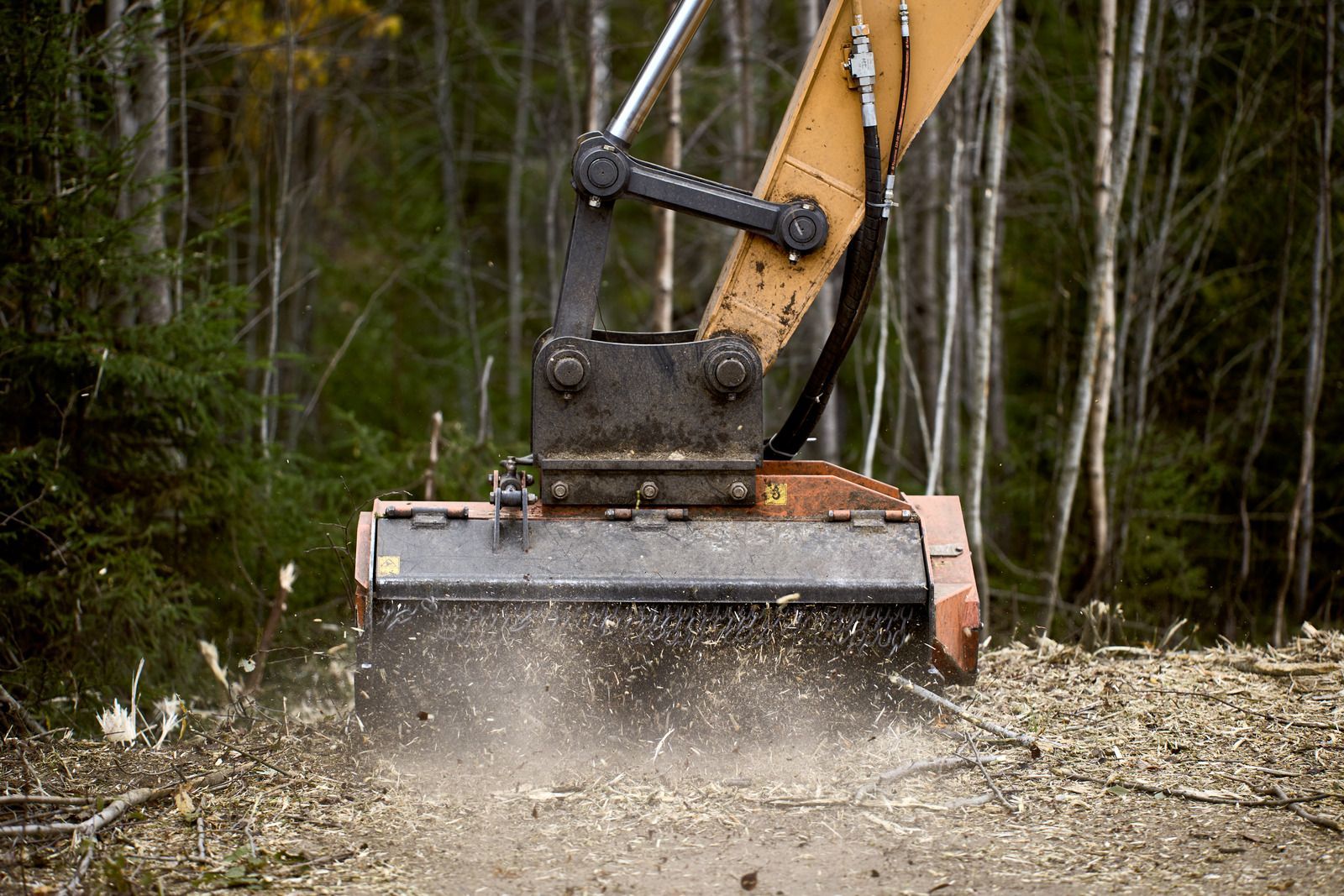
- Forestry Mulching: Grinding vegetation into mulch directly on the property site, which helps reduce erosion and supports long-term soil health.
Why Proper Planning Matters
Improper land clearing can easily lead to uneven soil, hidden hazards, or unnecessary environmental damage. Proper planning involves surveying the site, identifying obstacles, marking protected areas, and creating a step-by-step removal strategy. Effective planning not only ensures safety and legal compliance but also optimizes construction efficiency, reducing potential delays and costly unexpected problems significantly.
2. The Role of Land Clearing in Site Preparation
Preparing the Ground for Construction
Once all vegetation and debris are removed, the land is prepared and ready for grading and foundation work. Land clearing allows for proper leveling of the soil, compaction, and elimination of weak spots that could compromise structural integrity later on. For example, old stumps left underground can decay over time, causing uneven settling and significant cracks in concrete foundations if not addressed.
Enhancing Soil and Drainage Conditions
Clearing land also provides an important opportunity to address soil composition and improve drainage. Proper drainage prevents water accumulation, reducing the risk of flooding and soil erosion that can severely damage structures. Engineers often conduct detailed soil testing after clearing to determine if additional stabilization, such as adding gravel or compacting soil, is necessary for long-term durability.
Reducing Construction Hazards
Vegetation can hide hidden hazards such as rocks, sinkholes, or uneven terrain, which pose serious safety risks for construction workers. By systematically removing these obstacles, land clearing creates a safer and more accessible environment for heavy machinery and labor crews. Additionally, cleared land allows for easier installation of utilities and infrastructure, such as water, gas, and electrical lines efficiently.
3. Environmental and Regulatory Considerations
Mitigating Environmental Impact
Thoughtful land clearing minimizes the overall ecological footprint of a construction project effectively. Techniques such as selective clearing or forestry mulching help retain soil health, prevent erosion, and maintain natural water flow patterns. Many developers also implement sediment control measures and replant vegetation in buffer areas to remain fully compliant with environmental guidelines.
Preserving Natural Features
In certain projects, developers may want to preserve mature trees or other natural features for aesthetic appeal or long-term environmental benefits. Planning for retention areas during the clearing process ensures these features remain intact without interfering with construction activities. This approach successfully balances development needs with ecological responsibility and community standards.
4. Equipment and Techniques Used in Land Clearing
Heavy Machinery for Efficient Clearing
Land clearing often relies on specialized machinery to handle various types of obstacles efficiently. Common heavy equipment includes:
- Bulldozers: Push large trees, rocks, and other debris safely off-site.
- Excavators:
Remove stumps, dig trenches, and manage uneven terrain effectively.
- Skid Steer Loaders: Compact and move materials efficiently, especially in tight spaces.
- Mulchers:
Grind vegetation into mulch, reducing waste and controlling soil erosion reliably.
Manual and Small-Scale Tools
In areas inaccessible to heavy machinery, precise manual methods are necessary. Chainsaws, brush cutters, and hand tools allow workers to clear undergrowth, trim trees, and handle delicate areas carefully. Combining mechanical and manual methods ensures thorough clearing without accidentally damaging the property or nearby infrastructure.
Choosing the Right Approach
The choice of clearing method depends on several factors, including land size, vegetation density, soil type, and overall project goals. For instance, forestry mulching may be ideal for large, heavily wooded areas where soil retention is a priority, while selective manual clearing works best in environmentally sensitive zones. Expert contractors evaluate all these factors to develop the most efficient clearing plan possible.
5. Challenges and Risks in Land Clearing
Common Obstacles
Land clearing comes with a variety of potential challenges, including:
- Hidden debris: Rocks, old foundations, or buried objects that can unexpectedly damage machinery.
- Uneven terrain: Slopes, hollows, or depressions that require careful grading to prevent soil instability.
- Environmental constraints: Wetlands, protected species, or historical landmarks that may limit clearing options legally.
Safety Risks
Operating heavy machinery and handling vegetation exposes workers to potential injuries or hazards. Risks include falling trees, machinery accidents, and exposure to hazardous plants or insects. Proper training, protective equipment, and strict adherence to safety protocols are critical to minimizing accidents on site.
Soil Erosion and Drainage Issues
Improperly cleared land can lead to soil erosion, sediment runoff, and waterlogging problems. Implementing erosion control measures, such as silt fences, mulching, or retaining walls, is essential to maintain land integrity and protect neighboring properties during ongoing construction activities.
6. Best Practices for Effective Land Clearing
Strategic Phased Clearing
Phasing the clearing process—beginning with large obstructions and gradually moving to smaller vegetation—optimizes workflow and reduces disruption. This method allows for better waste management, safer operations, and easier coordination with other construction activities on-site efficiently.
Soil Preservation and Erosion Control
Hiring Experienced Contractors
Partnering with professional land clearing services ensures the job is done efficiently, safely, and in full compliance with all regulations. Experienced contractors bring expertise in equipment use, precise site planning, and environmental considerations, resulting in a more predictable and successful construction project.
Reliable, Experienced Professionals Handling Complete Land Preparation
Land clearing is a foundational step that directly influences the success, safety, and efficiency of any construction project. By systematically removing vegetation, debris, and obstacles, landowners and developers ensure that their site is ready for grading, foundation work, and long-term maintenance. The process also enhances soil stability, improves drainage, and mitigates potential hazards, all while considering environmental and regulatory requirements. Implementing best practices such as phased clearing, soil preservation, and post-clearing inspection further optimizes site readiness and reduces unexpected challenges.
For property owners in Gainesville, Georgia, CR Land Services LLC
offers reliable, professional land clearing and landscape maintenance solutions. With 5
years of experience, our team combines industry knowledge, advanced equipment, and meticulous planning to prepare your land efficiently for new construction. We prioritize safety, compliance, and environmental responsibility while delivering results that save time and reduce costs. Trust CR Land Services LLC
to transform your property into a construction-ready site, ensuring your development project starts on a solid foundation with confidence and precision.