
Comparing Land Clearing Methods: Which Is Right for Your Project?
April 26, 2026
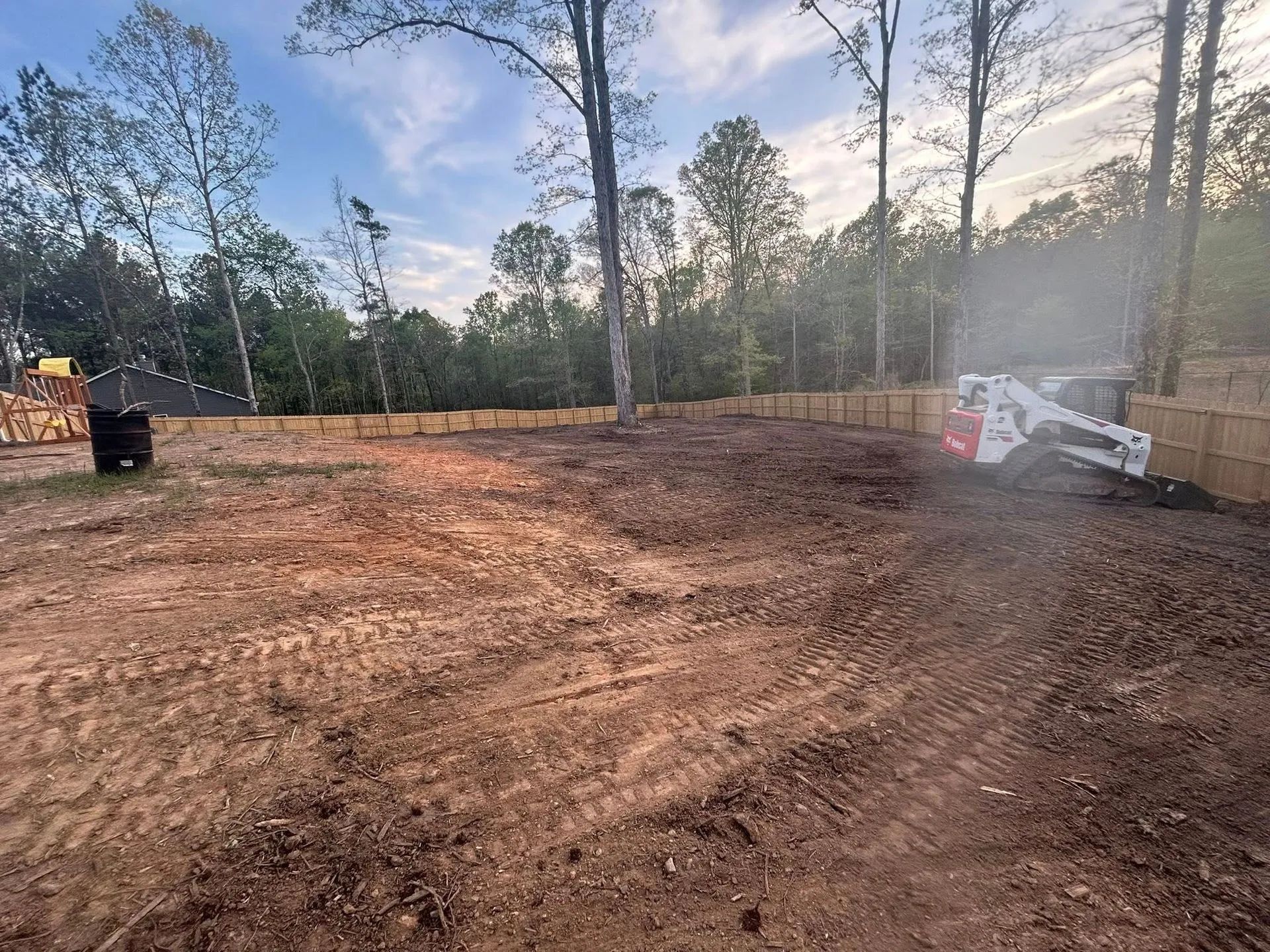
Land clearing is a foundational step in preparing any property for construction, agriculture, or landscape development. Whether the goal is to build a new structure, expand usable land, or improve environmental conditions, the method chosen for clearing plays a critical role in determining project success. From traditional mechanical approaches to environmentally focused techniques, each method offers unique advantages and limitations that must align with the scope, timeline, and ecological considerations of the project.
As land development continues to evolve, property owners and contractors face increasing pressure to balance efficiency with sustainability. Choosing the right land clearing method is no longer just about speed or cost—it is about long-term land health, regulatory compliance, and overall project outcomes. By understanding the various clearing techniques available and how they apply to different scenarios, decision-makers can ensure optimal results. This guide explores the most common land clearing methods, compares their strengths and drawbacks, and provides expert insight to help determine which approach is best suited for specific project needs.
1. Understanding Land Clearing Objectives
Defining Project Goals
Before selecting a land clearing method, it is essential to clearly define the purpose of the project. Land clearing for residential construction differs significantly from agricultural preparation or wildfire prevention. Each objective requires a tailored approach that considers terrain, vegetation density, soil conditions, and future land use, ensuring efficient planning and successful long-term project execution.
For example, a construction project may prioritize complete removal of trees and roots to create a stable foundation, while agricultural clearing may aim to preserve topsoil integrity for future planting and sustained crop productivity. Understanding these distinctions helps avoid unnecessary costs and ensures that the chosen method aligns with long-term goals and overall land development efficiency.
Environmental and Regulatory Considerations
Modern land clearing must account for environmental impact and local regulations. Many jurisdictions enforce strict guidelines to protect ecosystems, prevent erosion, and manage waste effectively throughout the project lifecycle. Ignoring these factors can lead to fines, delays, and environmental damage that may affect long-term land usability and compliance requirements.
Best practices include conducting site assessments, identifying protected vegetation, and implementing erosion control measures to safeguard surrounding areas. Selecting a method that minimizes soil disturbance and preserves natural resources is often critical for compliance, sustainability, and maintaining ecological balance during development projects.
2. Mechanical Land Clearing Methods
Bulldozing and Excavation
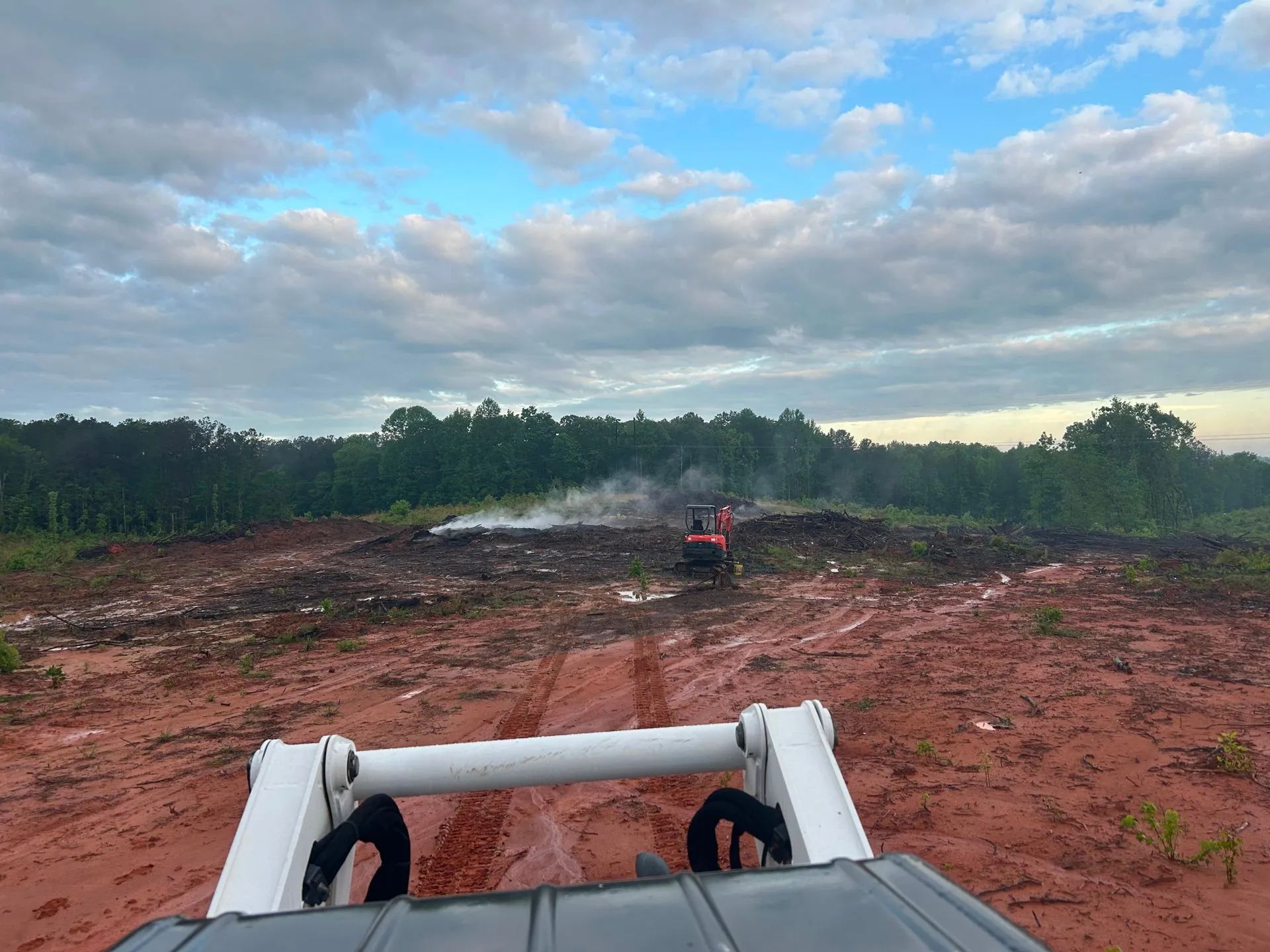
Mechanical clearing using bulldozers and excavators remains one of the most widely used methods across various industries and large-scale development projects. This approach involves pushing over trees, removing stumps, and leveling the land efficiently for immediate use. It is particularly effective for large-scale projects requiring rapid results and minimal delays.
Advantages include speed and the ability to handle dense vegetation in challenging environments. However, this method can significantly disturb soil structure, leading to erosion and compaction if not managed properly. It also generates substantial debris that must be managed properly to maintain site safety and environmental compliance standards.
Grubbing and Root Removal
Grubbing focuses on removing roots and organic material beneath the surface to ensure complete site preparation. This technique is essential for projects requiring stable ground conditions, such as road construction or building foundations where long-term structural integrity is critical.
While highly effective, grubbing can be labor-intensive and may increase project costs depending on site conditions and complexity. It also requires proper disposal of organic waste to prevent environmental issues and maintain compliance with local regulations and best practices.
Best Use Cases
- Mechanical methods are best suited for:
- Large development projects
- Areas with heavy vegetation
- Projects with tight timelines
However, careful planning is required to mitigate environmental impact and ensure proper site restoration, soil stabilization, and long-term land usability after project completion.
3. Forestry Mulching and Eco-Friendly Techniques
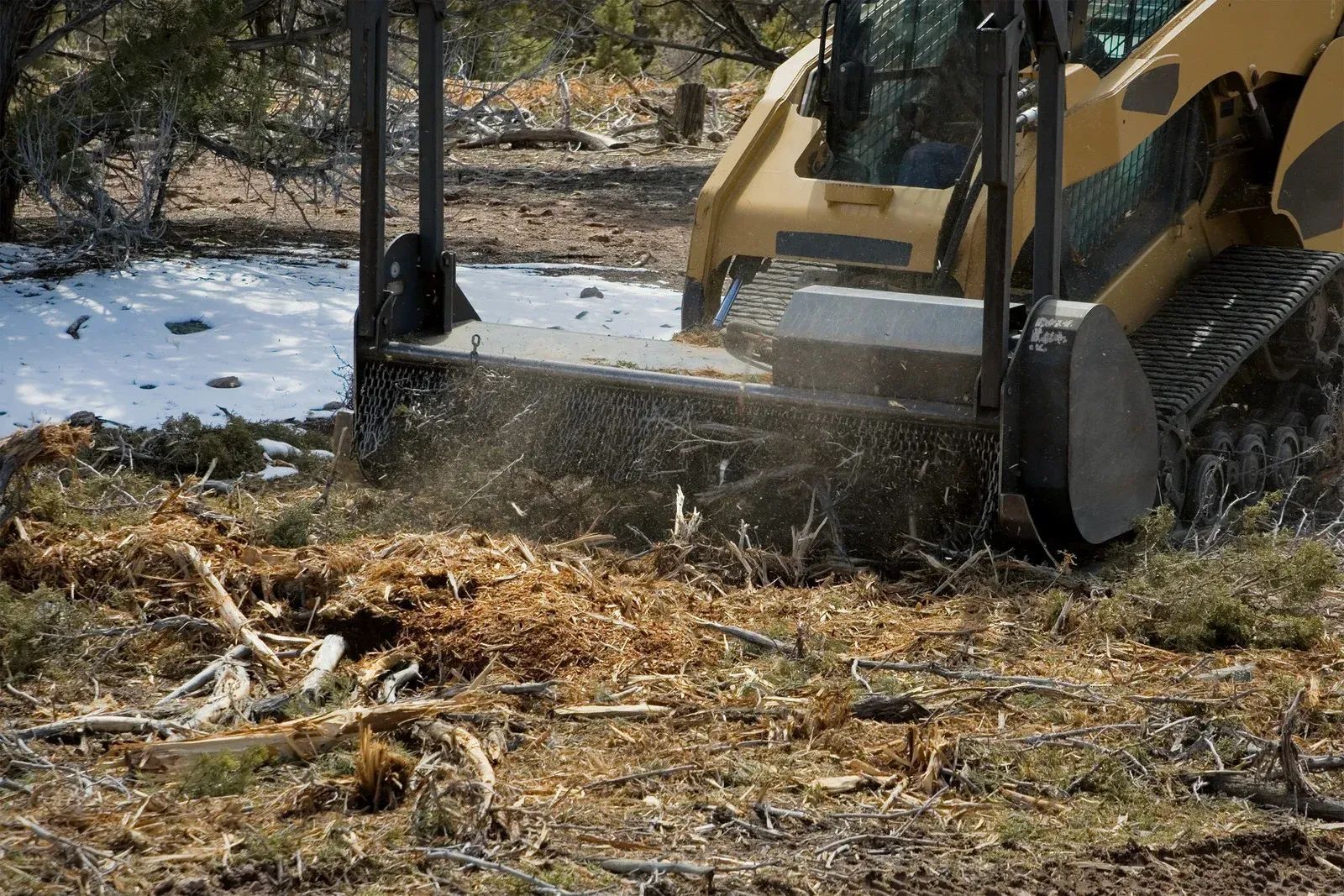
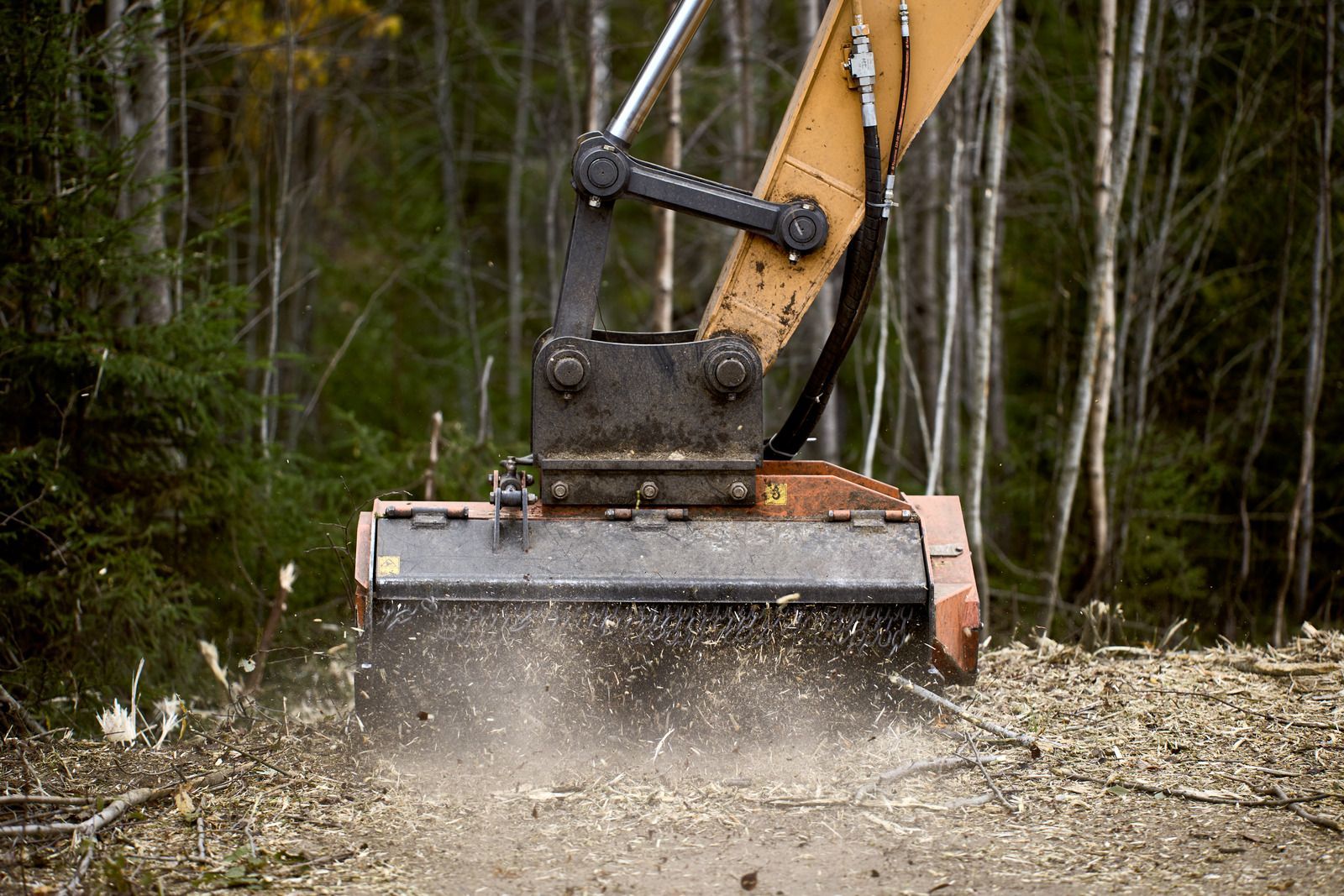
How Forestry Mulching Works
Benefits of Eco-Friendly Clearing
Eco-friendly methods like mulching offer several advantages for modern land development projects:
- Minimal soil disturbance
- Reduced waste disposal costs
- Improved soil health
- Lower carbon footprint
These techniques are particularly valuable in areas where preserving the ecosystem is a priority and maintaining biodiversity is essential for long-term environmental balance and land productivity.
Limitations to Consider
Despite its benefits, forestry mulching may not be suitable for all situations or project requirements. Dense root systems or large tree removal may require additional methods for complete land preparation. It can also be slower compared to mechanical clearing in large-scale operations with strict deadlines.
4. Controlled Burning and Chemical Clearing
Controlled Burning Applications
Controlled burning, also known as prescribed fire, is used to clear vegetation and improve soil fertility in specific environments. It is commonly applied in agricultural and forestry settings where natural regeneration is desired and ecosystem management is necessary.
This method can effectively eliminate invasive species and reduce wildfire risks in high-risk areas. However, it requires strict adherence to safety regulations and favorable weather conditions to ensure controlled and effective implementation without unintended consequences.
Chemical Clearing Methods
Chemical clearing involves the use of herbicides to eliminate unwanted vegetation in targeted areas. It is often used for maintenance rather than initial clearing, particularly in areas where mechanical methods are impractical or difficult to implement effectively.
While cost-effective, chemical methods must be handled carefully to avoid environmental contamination and unintended damage to surrounding vegetation, soil quality, and nearby water sources that could impact ecosystems.
Safety and Environmental Concerns
Both controlled burning and chemical clearing carry risks that must be carefully managed through proper planning and oversight. Proper planning, professional oversight, and compliance with regulations are essential to ensure safe and effective use while minimizing environmental impact and ensuring long-term land sustainability.
5. Manual and Selective Clearing Techniques
Hand Clearing for Precision
Manual clearing involves the use of hand tools such as chainsaws, machetes, and axes to remove vegetation selectively. This method is ideal for projects requiring precision, such as clearing around existing structures or preserving specific trees and landscape features.
Although labor-intensive, manual clearing allows for greater control and minimal environmental disruption, making it a preferred option for projects where accuracy and careful execution are essential for successful outcomes.
Selective Clearing Strategies
Selective clearing focuses on removing only specific vegetation while preserving the overall landscape and maintaining ecological balance. This approach is commonly used in residential landscaping and conservation projects where maintaining natural aesthetics is important.
Benefits include:
- Preservation of natural aesthetics
- Reduced environmental impact
- Enhanced property value
These advantages make selective clearing an ideal choice for projects that prioritize sustainability, visual appeal, and long-term environmental preservation in developed and natural areas.
When to Choose Manual Methods
Manual and selective clearing are best suited for:
- Small-scale projects
- Environmentally sensitive areas
- Projects requiring detailed control
While slower, these methods provide unmatched precision and flexibility, allowing for careful vegetation management and ensuring that specific project requirements are met without unnecessary disruption.
6. Choosing the Right Method for Your Project
Evaluating Key Factors
Combining Methods for Optimal Results
In many cases, a combination of methods provides the best outcome for complex land clearing projects. For example, mechanical clearing may be used for initial removal, followed by mulching to manage debris and improve soil quality for future use.
This integrated approach allows for greater efficiency and adaptability, ensuring that each stage of the project is handled effectively while maximizing productivity and minimizing environmental impact throughout the process.
Expert Recommendations
Trusted Industry Experts Ensuring Efficient Land Clearing Outcomes
At CR Land Services LLC, we take pride in delivering dependable and results-driven solutions within the landscape maintenance industry. Based in Gainesville, Georgia, and backed by 5 years of hands-on experience, we understand that every land clearing project requires a tailored approach. Our focus is on combining efficiency with responsible practices, ensuring that each project is completed with precision and long-term value in mind.
We approach every project with a commitment to quality, safety, and attention to detail. By carefully evaluating site conditions and project goals, we help determine the most effective land clearing method to achieve the desired outcome. Our experience allows us to navigate challenges, optimize processes, and deliver consistent results that meet both practical and environmental expectations.
Our dedication to excellence has positioned us as a trusted authority in the field. We believe that successful land clearing goes beyond removing vegetation—it involves preparing the land for future success. Through professional expertise and a client-focused approach, we continue to support projects that require reliability, efficiency, and informed decision-making.