
How Land Clearing Can Save You Time and Money on Development
May 19, 2026
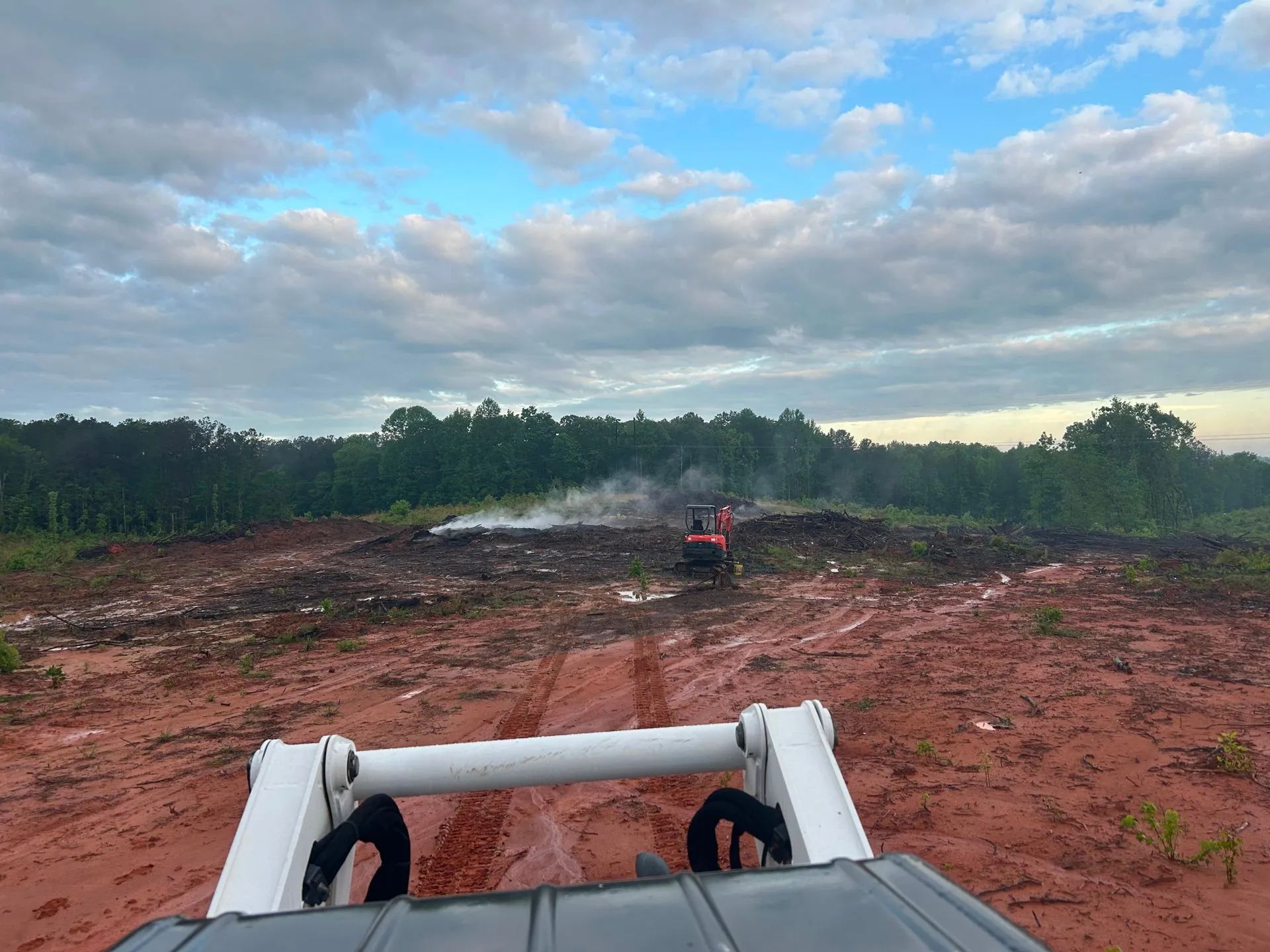
Land clearing is one of the most critical early steps in any development project, yet it is often underestimated in terms of its impact on overall timelines and budgets. Whether preparing land for residential construction, commercial expansion, or agricultural use, the process of removing trees, brush, rocks, and debris sets the foundation for everything that follows. When executed strategically, land clearing not only prepares a site for safe and efficient building but also eliminates costly obstacles that could delay progress later. Developers who prioritize this step often gain a significant advantage in both project efficiency and cost control. It also improves site visibility, allowing for better planning and accurate decision-making from the beginning. A well-cleared property reduces uncertainties and creates a smoother transition into construction phases. This early investment plays a vital role in ensuring long-term project stability and performance.
In today’s competitive development landscape, time and money are tightly linked. Delays caused by poor site preparation, hidden obstructions, or environmental complications can quickly inflate budgets and derail schedules. Effective land clearing helps mitigate these risks by creating a stable, accessible, and workable environment from the outset. By investing in proper planning and execution, developers can streamline operations, reduce labor inefficiencies, and avoid expensive corrections. It also supports better coordination among teams, ensuring each phase progresses without disruption. Properly prepared land allows contractors to work with confidence and precision. Ultimately, understanding how land clearing contributes to these outcomes is essential for making informed decisions that support long-term project success.
1. The Role of Land Clearing in Project Efficiency
Establishing a Strong Project Foundation
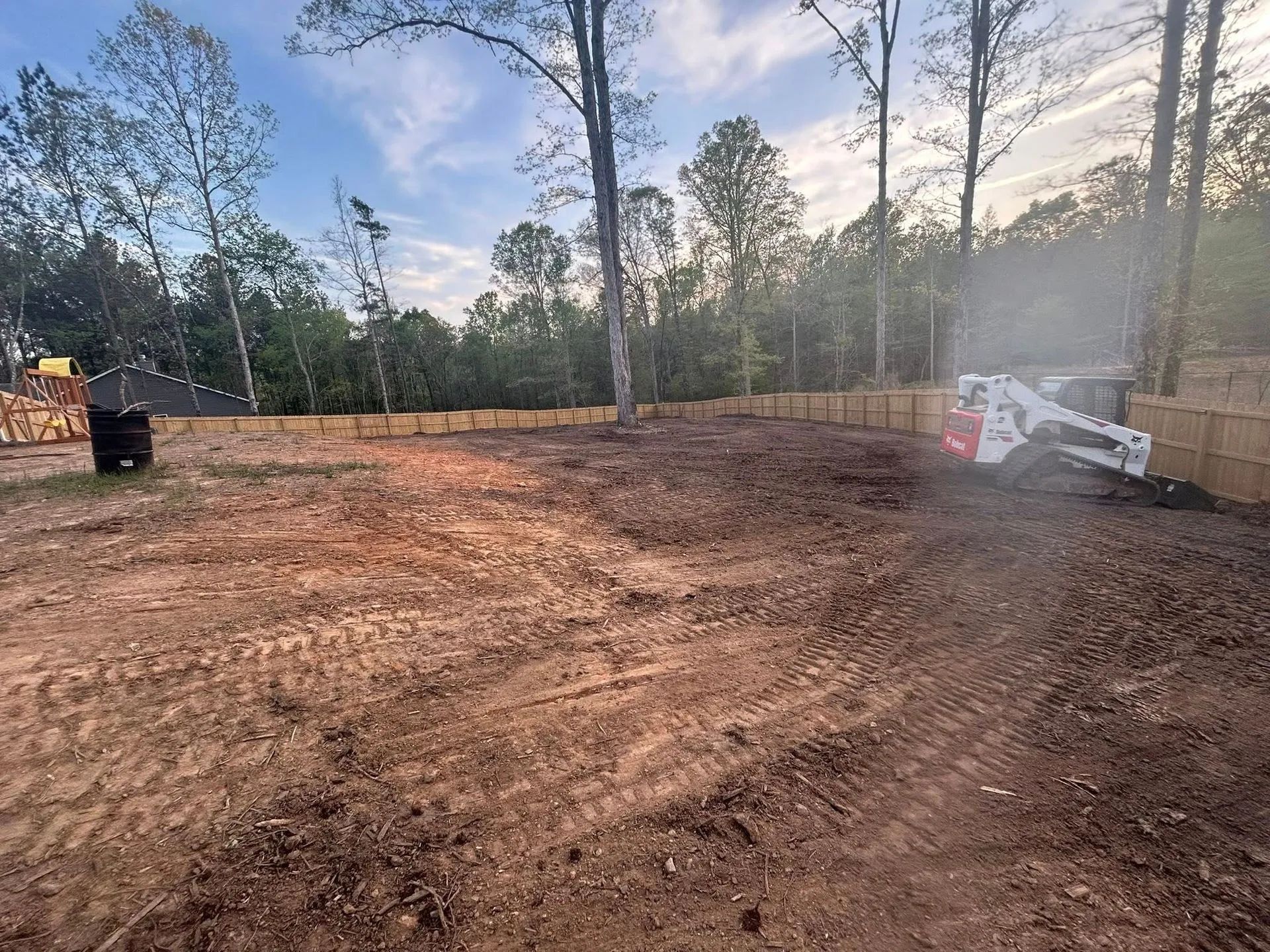
Land clearing is the first tangible step in transforming raw land into a usable site. Removing vegetation, stumps, and debris ensures construction crews access the property without obstruction. A properly cleared site allows accurate surveying, grading, and layout planning, all essential for avoiding structural issues later. Without this foundation, even well-designed projects can encounter setbacks that lead to delays, unexpected complications, and increased costs during development phases overall.
Eliminating Hidden Obstacles Early
Undeveloped land often contains hidden challenges such as buried rocks, root systems, or uneven terrain. Addressing these issues during the land clearing phase prevents disruptions once construction begins. For example, encountering a large root system during foundation excavation can halt progress and require specialized equipment, increasing time and costs. Early removal of such obstacles ensures smoother workflows, improved safety conditions, and predictable timelines throughout the entire construction process.
2. Cost-Saving Benefits of Strategic Land Clearing
Reducing Labor and Equipment Expenses
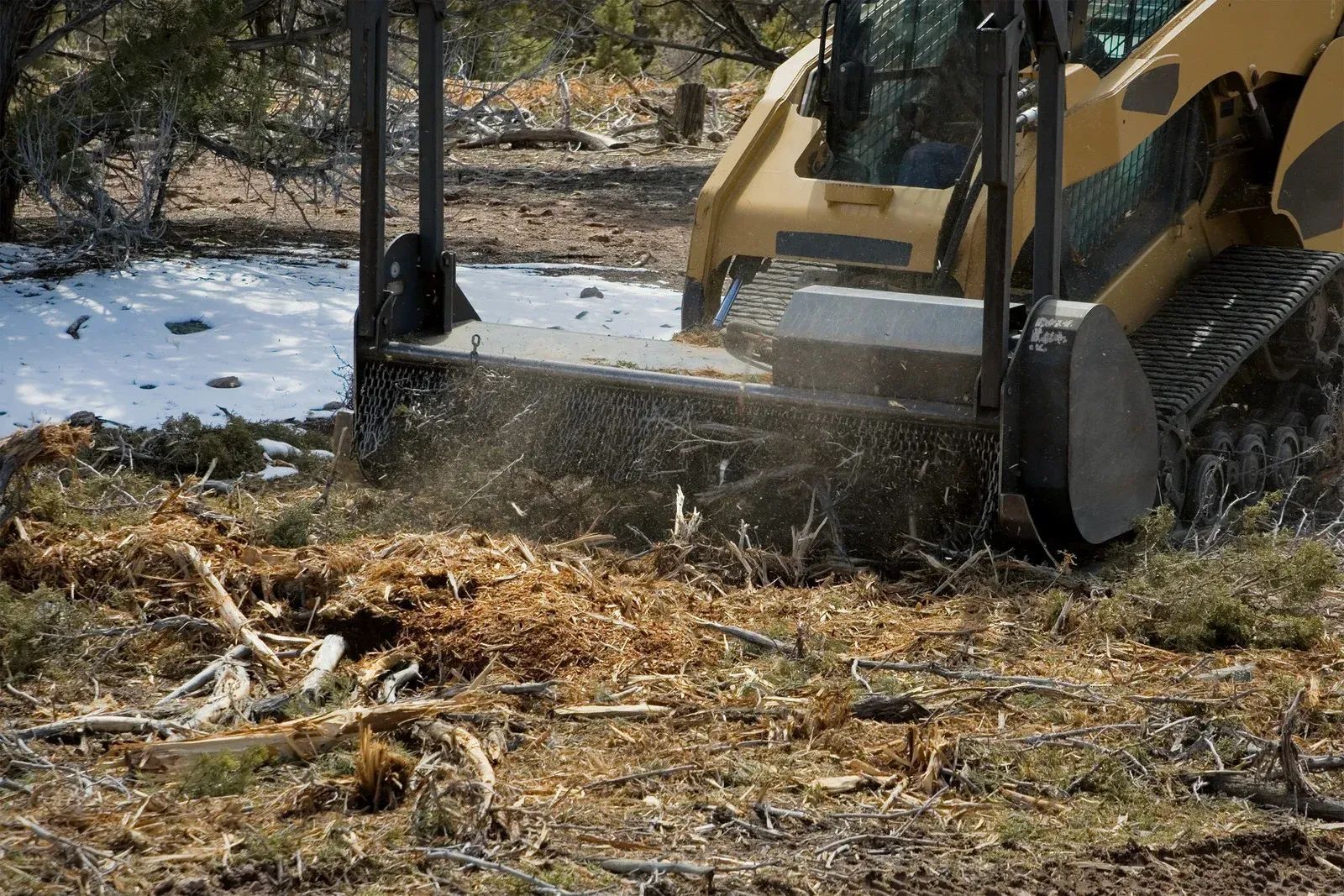
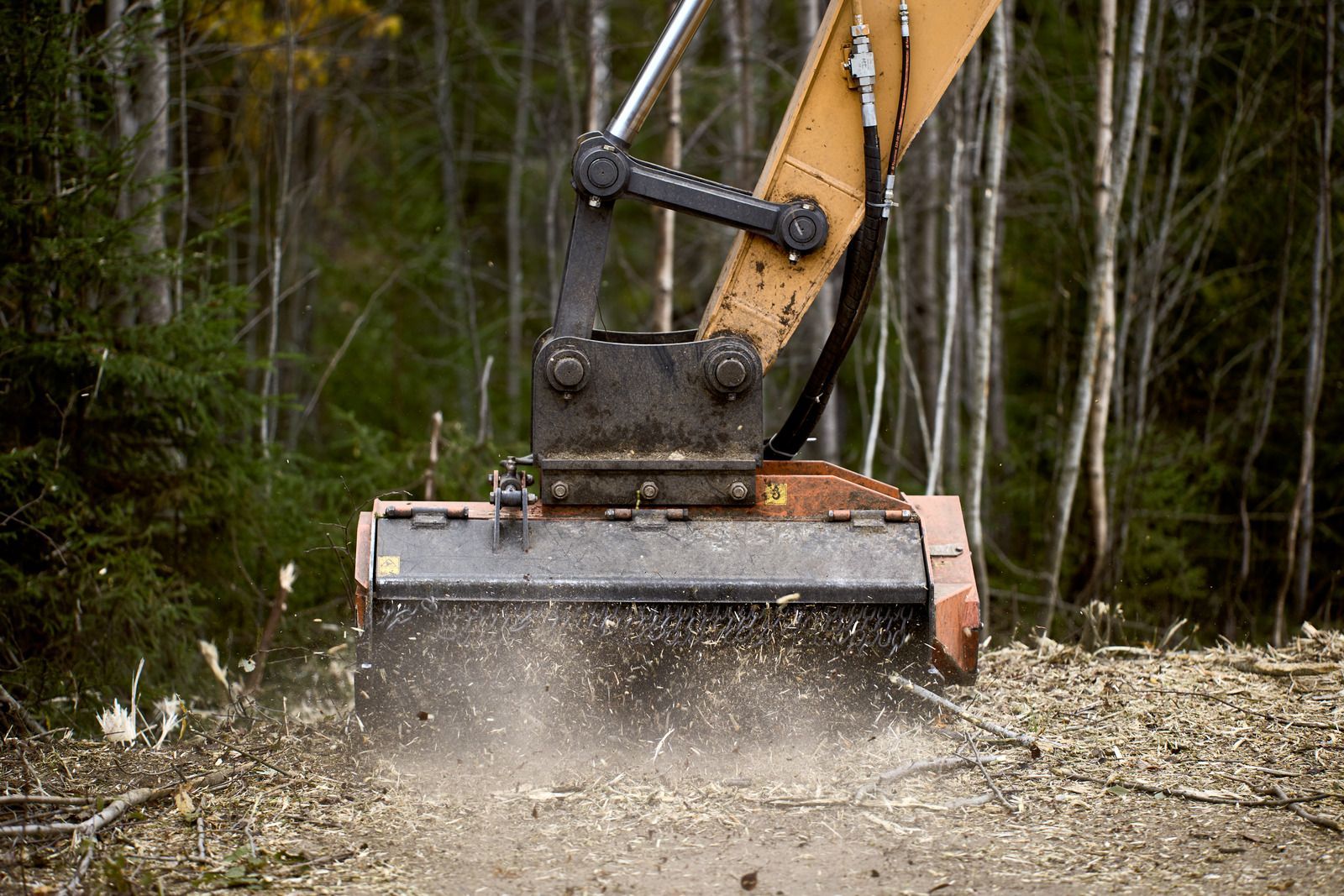
Efficient land clearing minimizes the need for repeated labor and equipment use. When a site is thoroughly prepared, construction crews can operate without interruptions, reducing idle time and maximizing productivity. This translates into lower labor costs and more efficient use of machinery across all phases. Additionally, modern clearing techniques such as mulching can eliminate the need for hauling debris, further reducing operational expenses and improving overall project efficiency significantly.
Preventing Costly Project Delays
Delays are one of the most significant contributors to budget overruns in development projects. Poorly cleared land can lead to unexpected complications, such as drainage issues or unstable soil conditions. By investing in comprehensive land clearing upfront, developers can avoid these problems and maintain project schedules. Proper removal of organic material helps prevent soil shifting, which could otherwise require expensive remediation and extend timelines unnecessarily across the entire project lifecycle.
3. Enhancing Site Accessibility and Workflow
Streamlining Construction Processes
A cleared site allows for better organization and sequencing of construction activities throughout the project timeline. Materials can be delivered and stored more efficiently, and crews can work without navigating around obstacles or hazards. This streamlined workflow reduces downtime and enhances overall productivity significantly. For example, grading and foundation work can proceed immediately after clearing, eliminating unnecessary waiting periods and ensuring smoother transitions between each stage of development work.
4. Environmental and Regulatory Considerations
Managing Environmental Impact
Responsible land clearing involves more than simply removing vegetation from a site before construction begins. It requires careful planning to minimize environmental impact and comply with local regulations effectively. Techniques such as selective clearing and erosion control help preserve soil integrity and protect surrounding ecosystems from damage. By adopting sustainable practices, developers can avoid fines and delays associated with non-compliance while maintaining ecological balance and long-term environmental responsibility for future land use.
Ensuring Regulatory Compliance
Land development projects are subject to various regulations, including permits for tree removal, erosion control measures, and environmental protection requirements. Proper land clearing ensures these requirements are met from the beginning of the project. Failing to comply with regulations can result in costly penalties and project shutdowns. By addressing these considerations early, developers can maintain smooth progress, avoid legal complications, and ensure the project remains compliant with all applicable laws and standards.
5. Choosing the Right Land Clearing Methods
Mechanical Clearing vs. Manual Clearing
Different projects require different approaches to land clearing based on size, terrain, and environmental sensitivity. Mechanical clearing, which uses heavy equipment, is ideal for large-scale projects where speed and efficiency are priorities. Manual clearing is better suited for smaller or more delicate areas where precision is required. Selecting the appropriate method ensures resources are used effectively, minimizes environmental disruption, and helps keep overall project costs under control throughout the development process.
Advanced Techniques for Efficiency
Modern land clearing methods, such as forestry mulching, offer significant advantages in terms of time and cost savings for developers. This technique involves grinding vegetation into mulch, which can be left on-site to improve soil quality and reduce erosion naturally. By eliminating the need for debris removal, forestry mulching reduces transportation costs and accelerates project timelines. Choosing advanced techniques can provide a competitive edge and enhance overall development efficiency significantly.
6. Best Practices for Maximizing Value
Planning for Long-Term Benefits
Land clearing should not be viewed as a one-time task but as an investment in long-term project success. Proper clearing can improve drainage, enhance soil stability, and create a more sustainable site for future use. By considering long-term benefits, developers can make informed decisions that reduce maintenance costs and increase property value. This strategic approach ensures the site remains functional, efficient, and valuable well beyond the initial construction phase completion.
Experienced Professionals Committed to Efficient Site Preparation
At CR Land Services LLC, we understand that successful development begins with precise, efficient land preparation. With 5 years of hands-on experience in landscape maintenance and land clearing, we bring a results-driven approach to every project. Our focus is on delivering reliable, cost-effective solutions that help streamline development timelines while maintaining the highest standards of quality and safety. From initial site evaluation to final clearing, we ensure that every step is executed with attention to detail and a commitment to excellence. We prioritize clear communication, ensuring clients stay informed throughout every phase. Our approach combines modern techniques with proven practices to deliver consistent, high-quality outcomes. We also adapt quickly to project changes, helping maintain momentum without compromising results. Every project reflects our dedication to precision, efficiency, and long-term value.
Based in Gainesville, Georgia, we take pride in supporting property owners, builders, and developers with services that are tailored to meet specific project needs. Our expertise allows us to identify potential challenges early, implement the most effective clearing methods, and create a site that is fully prepared for the next phase of construction. By choosing us, clients gain a trusted partner dedicated to maximizing efficiency, reducing unnecessary costs, and delivering results that stand the test of time. We focus on building lasting relationships through dependable service and consistent performance. Our commitment extends beyond project completion, ensuring long-term satisfaction and reliability. We continuously refine our processes to meet evolving industry standards and client expectations. With a strong emphasis on quality and accountability, we deliver results that support successful development outcomes.