
The Environmental Benefits of Choosing Forestry Mulching Over Traditional Clearing
June 27, 2026

You are standing at the edge of a property that has gotten away from you. Chinese privet has swallowed the fence line, briars grab at your sleeves, and a tangle of sweetgum saplings has turned what used to be open ground into a green wall you cannot walk through. Somewhere under all of it is the land you actually wanted to use. You start asking around, and two answers come back. One crew wants to bring in a dozer and scrape it down to bare dirt. Another talks about grinding it all in place and leaving without a single dump truck.
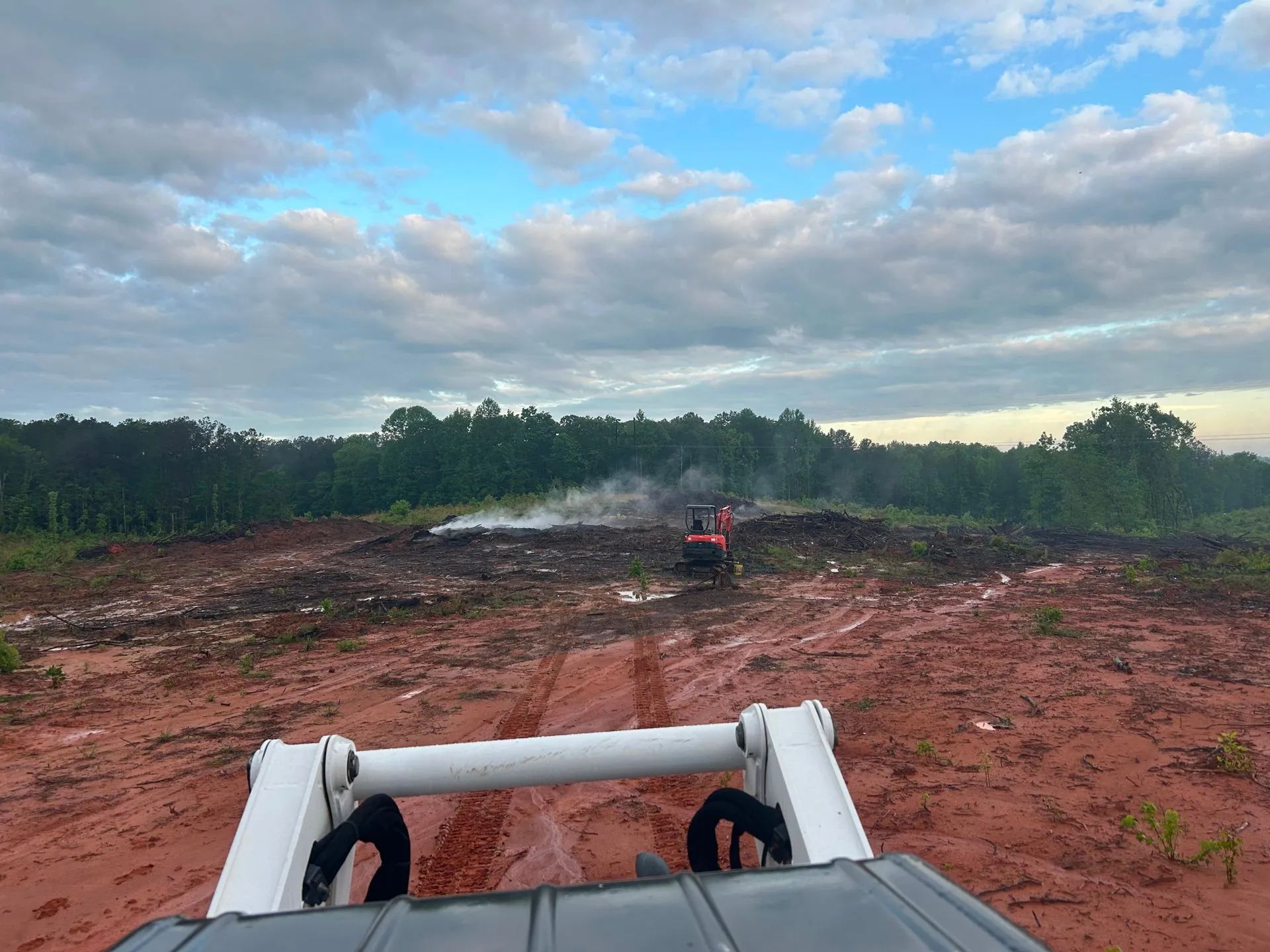
That second approach is forestry mulching, and for most overgrown property in our area it is the choice that does far less damage to the ground you are trying to save. A single machine chews standing brush, undergrowth, and small trees into a layer of mulch that stays right where it falls. No scraping. No burning. No hauling. After cutting back overgrowth on hundreds of lots across north Georgia, we keep coming back to the same point: how you clear land matters as much as whether you clear it.
What Sets Mulching Apart From a Traditional Clearing Job
The difference comes down to where the vegetation ends up. Traditional clearing pulls everything out by the roots. Crews push trees over with heavy equipment, grub out stumps, pile the debris, and either burn it or haul it off in load after load. What gets left behind is open, exposed soil.
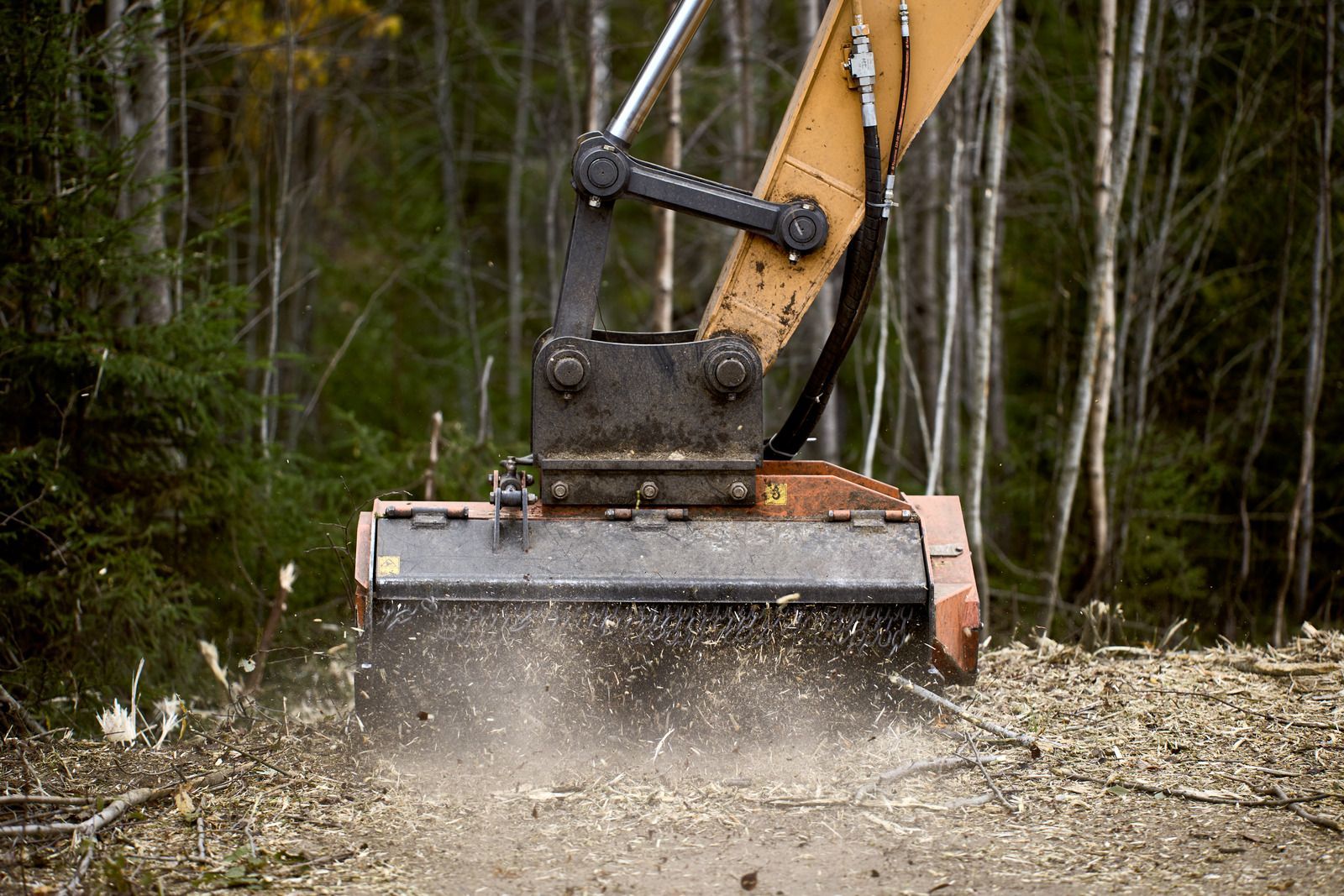
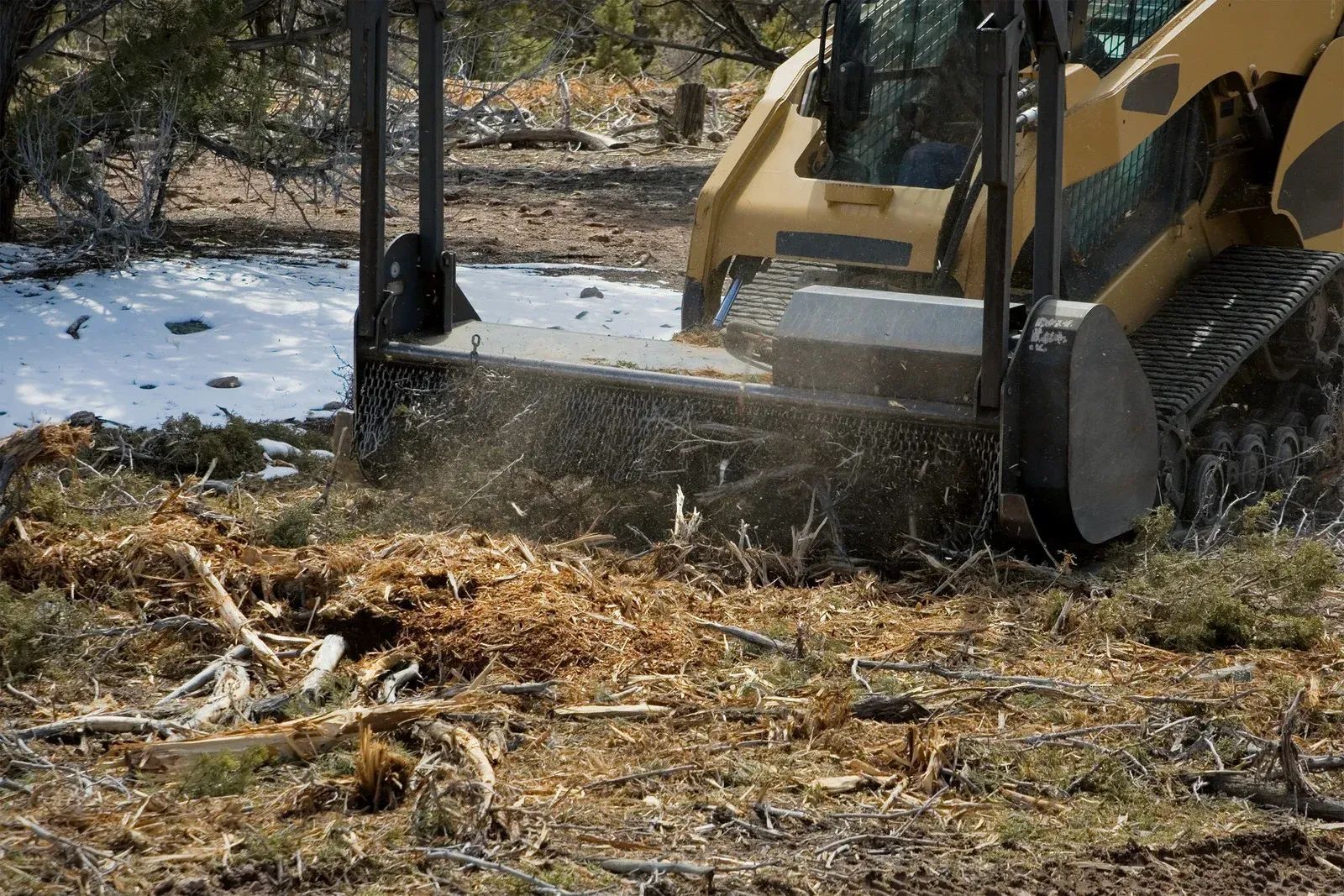
Forestry mulching works from the top down. One machine fitted with a cutting drum grinds brush and small trees into chips on contact, then spreads them across the surface as it moves. The roots usually stay in the ground and the soil stays mostly undisturbed. The material you cleared becomes a protective blanket, not a problem to dispose of. On the jobs we run, that one change ripples out into nearly every environmental benefit that follows.
Your Topsoil Stays Where It Belongs
Healthy ground starts at the surface, and that top few inches is the first thing traditional clearing destroys. When a crew scrapes a lot bare, the topsoil that took decades to build gets shoved into piles or carried off the site entirely. What you are left with is hard, lifeless ground that struggles to grow anything.
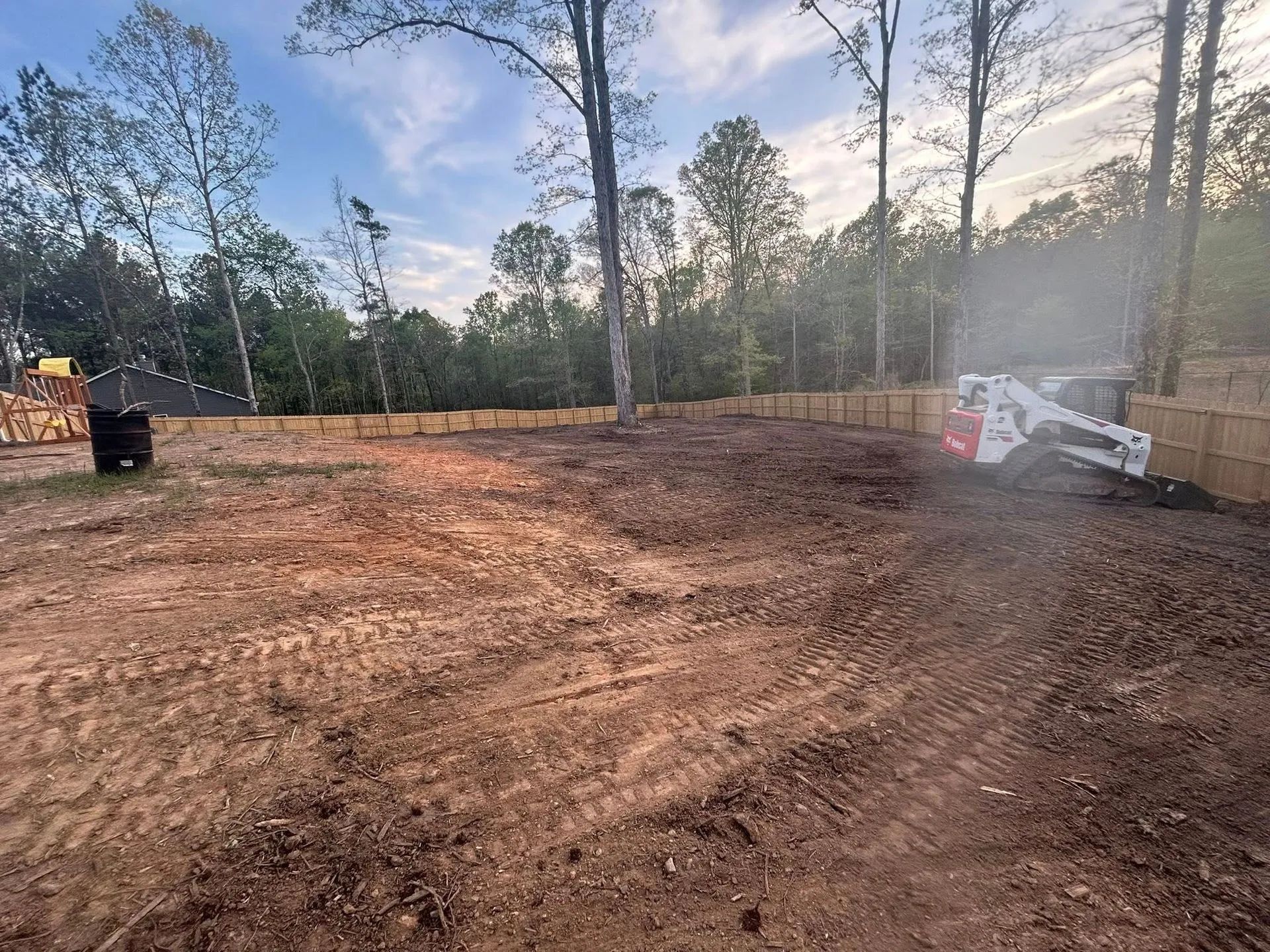
Mulching leaves that layer intact. Because the machine rides over the surface instead of digging in, the soil underneath stays mostly the way nature built it. Around here that matters more than people expect. Our red clay sits on rolling Piedmont hills, and once it is stripped and exposed, a single heavy summer storm can carve gullies into a slope in an afternoon. A mulch layer on top slows the rain, holds the soil in place, and gives roots something to grab. We have walked freshly mulched lots the morning after two inches of rain and found firm ground underfoot, while bare graded sites nearby ran brown with runoff.
A Layer That Feeds the Ground Instead of Stripping It
The mulch itself is more than leftover debris. As that blanket of wood chips breaks down over the months that follow, it returns organic matter, nutrients, and moisture straight back into the soil. You are not just clearing the land. You are improving it on the way out.
That decomposing layer does three jobs at once. It shades the ground and holds moisture in, which counts during the dry stretches of a north Georgia August. It smothers weed seeds and slows the regrowth of the same brush you just cut. And as it rots, it builds dark, living topsoil that bare clay simply cannot offer. We often come back a year later to find soft, dark earth where a wall of privet used to be. Traditional clearing hands you the opposite, a compacted surface that needs years to recover.
No Burn Piles, No Hauling, No Smoke
The cleanest part of mulching is everything it does not produce. Traditional clearing leaves a mountain of slash that has to go somewhere, and the two usual answers are a burn pile or a parade of dump trucks. Both come with a real environmental price.
Burning sends smoke and ash drifting across your property and your neighbors', and during the dry months it carries a real fire risk on wooded land. Hauling means truck after truck rolling in and out, burning fuel and sending good wood to a landfill. Mulching skips both. The wood never leaves your land. There is no pile to light, no smoke to breathe, and no string of trips down the road. One machine handles in a single pass what used to take a small fleet and several loads to remove.
Keeping the Trees and Wildlife Worth Saving
Clearing land does not have to mean erasing it. One of the quiet advantages of mulching is how selective it can be. We can grind out the understory, the invasive brush, and the scrub saplings while leaving your mature hardwoods and pines standing untouched. A dozer cannot make that call. It takes everything in its path.
That selectivity protects more than the trees you keep. The roots of those standing trees stay anchored, which holds the soil together and keeps the canopy wildlife depends on. Around here, that often means clearing a choking layer of Chinese privet out from under oaks and poplars that have stood for generations. The privet goes. The hardwoods stay. Songbirds, deer, and pollinators keep the cover and food they actually use, instead of being pushed off a flattened lot.
Why This Matters So Much in North Georgia
Forestry mulching works almost anywhere, but the ground here makes the case stronger. North Georgia is not flat farmland. It is rolling Piedmont terrain with that famous red clay underneath, and clay behaves in ways that punish careless clearing.
Strip a clay slope bare and two things happen fast. Water sheets off the hard surface instead of soaking in, and the loose topsoil rides that water downhill. In a region where summer thunderstorms drop a couple of inches in an hour, that runoff carries sediment straight into the creeks, streams, and Lake Lanier watershed this area drains into. A mulch layer breaks the fall of the rain, lets more soak in, and keeps the soil on your property instead of the nearest waterway. Add in our heavy invasive pressure, with privet, kudzu, and sweetgum all eager to take over disturbed ground, and grinding everything in place rather than spreading seed around becomes the smarter long term move.
Frequently Asked Questions
How long does forestry mulching take?
Most overgrown lots take a single day or less, depending on density and acreage. A heavily wooded acre with thick brush runs longer than open scrub. Because there is no hauling or burning afterward, you regain usable ground the same day we finish.
Is forestry mulching safe near ponds, wells, or slopes?
Yes, and it is often the safer choice. Since the soil stays intact, you avoid the erosion and runoff that bare clearing pushes toward water. On steep ground we work carefully to keep the mulch layer even, which protects the slope from washing out.
Does our red clay change how mulching should be done?
It does. Red clay compacts easily and erodes fast once exposed, so leaving a thick chip layer on top matters more here than on sandy soil. That cover shields the clay from pounding rain and gives new groundcover a softer base to root in.
Will the mulch attract termites or pests near my house?
Not in the way people fear. Wood chips spread in a thin, drying layer behave very differently from a damp pile against your foundation. As the mulch breaks down it stays well away from structures, and keeping it raked back from siding handles any concern.
Can mulching get rid of invasive plants for good?
It knocks them back hard but rarely in one pass. Grinding privet or kudzu in place stops seed from spreading the way hauling does. Established roots can resprout, so a follow up visit the next season usually finishes what the first round started.
Dependable Land Clearing Built Around Your Property
How you clear land shapes the ground for years after the brush is gone, and grinding it in place protects the soil, water, and trees that scraping a lot bare destroys. That matters even more on the red clay and rolling slopes of north Georgia, where bare ground washes into the Lake Lanier watershed fast. If you have a property that has disappeared under privet, briars, and scrub, we would rather clear it the way that leaves your land healthier than we found it. CR Land Services
has spent the last 5
years restoring overgrown lots across Gainesville, Georgia, and we are glad to walk your property and show you what mulching leaves behind. Reach out when you are ready to take your ground back without tearing it apart.